
The U.S. economy is currently experiencing a complex mix of growth and challenges. Recent data indicates a steady expansion, with the Gross Domestic Product (GDP) increasing by 1.6% in the first quarter of 2026. However, this growth is accompanied by rising inflation, which has reached 2.9% as of August 2025, up from 2.3% in April of the same year.
Employment figures present a nuanced picture. While the unemployment rate remains relatively low at 4.2%, job creation has slowed. In July 2025, the economy added only 73,000 jobs, significantly below expectations. This slowdown raises concerns about the labor market’s resilience amid economic uncertainties.
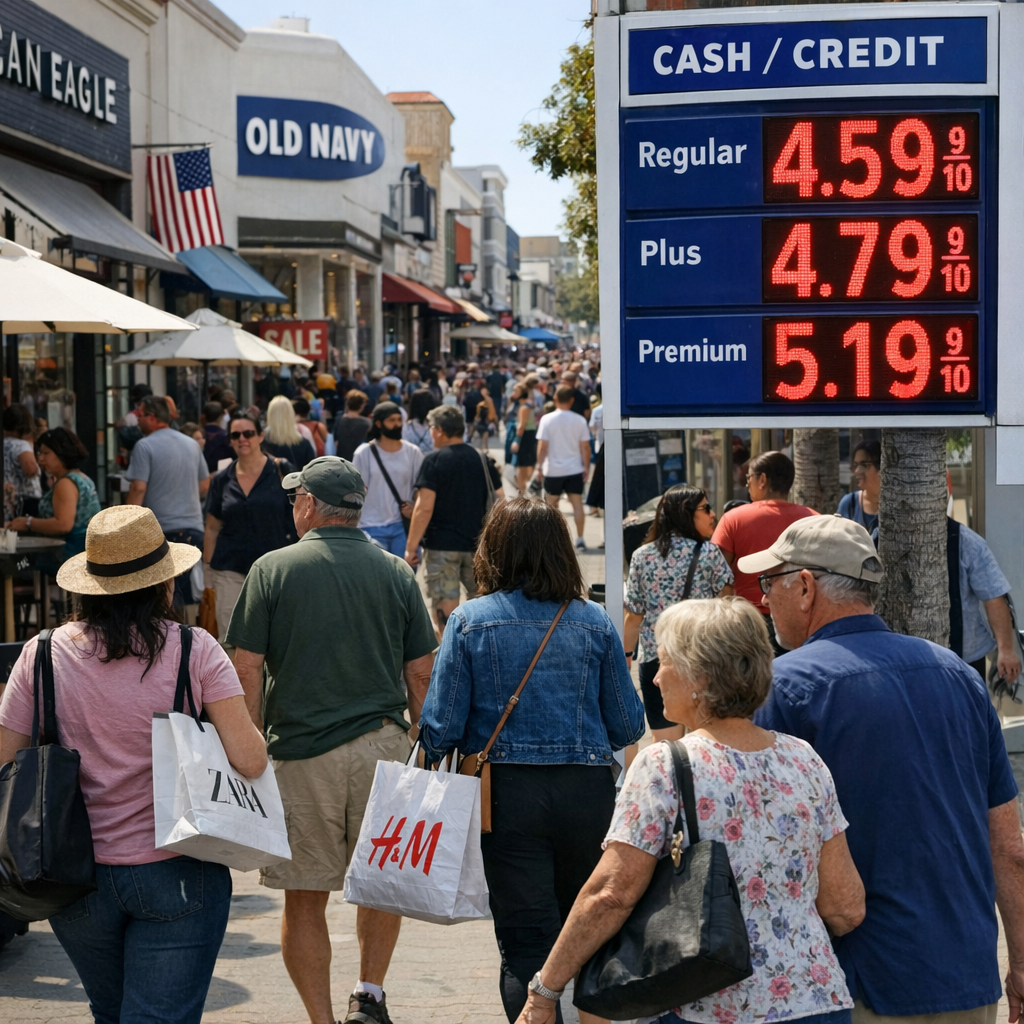
Consumer confidence has also been affected. A recent Harris Poll revealed that 95% of Americans believe there is an affordability crisis, citing high gas and grocery prices. This sentiment is reflected across political affiliations, with a notable decline in economic confidence among Republicans, dropping from 49% in February to 27% in July 2026.
In response to these challenges, the Federal Reserve has maintained interest rates, signaling a cautious approach to monetary policy. The Fed anticipates that the U.S. will emerge from current economic volatility into a period of strong productivity and consumer spending, with inflation expected to decrease as the effects of tariffs wane.
As residents of Red Cliff, Colorado, it’s essential to stay informed about these national economic trends, as they can have local implications. Monitoring these developments can help individuals and businesses make informed decisions in an evolving economic environment.