

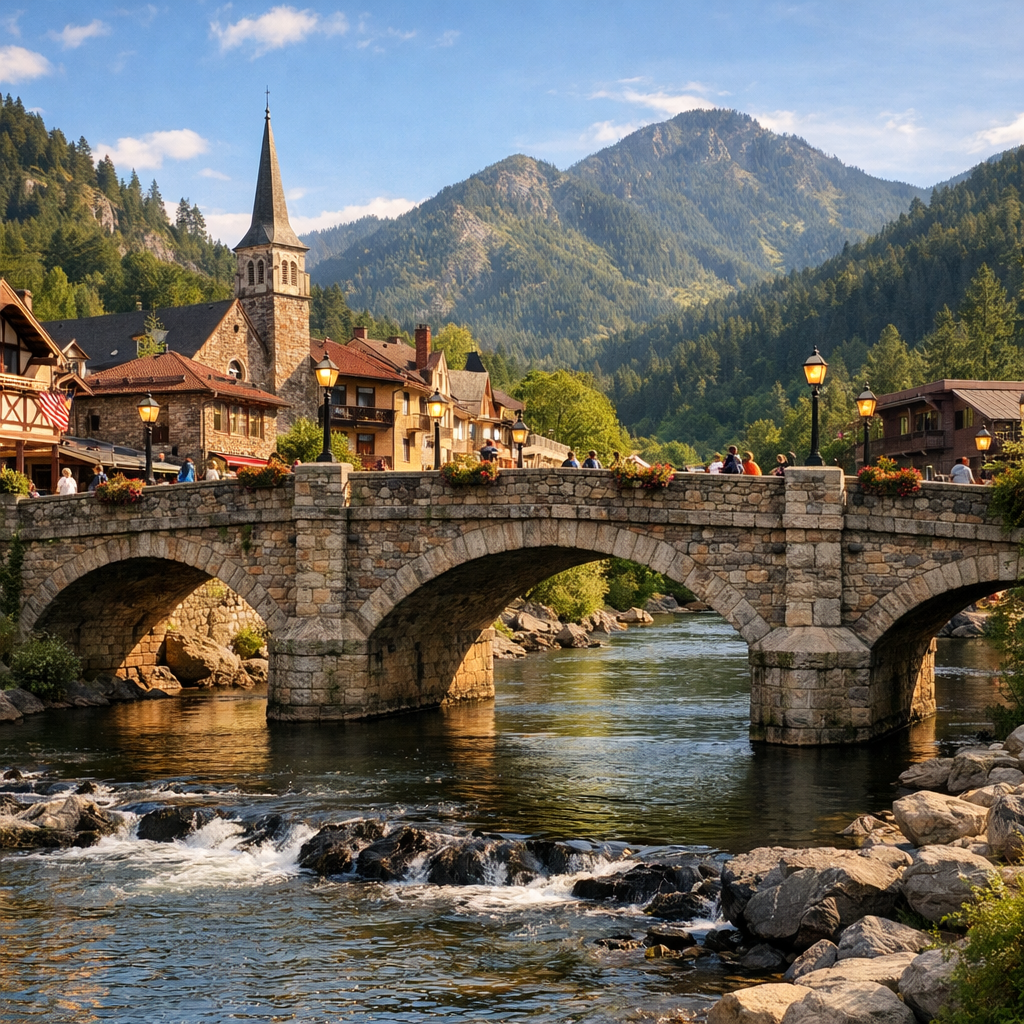
My name is Noah Cordova, and I’ve lived in Red Cliff long enough to see the pendulum swing between remembering our past and wondering what our future will look like. This place—its streets, its river, its old miner cabins—means something powerful. Yet, the same things that draw people here also test us in ways big and small.
The Weight of Copper and Wood
Red Cliff’s not new—it was founded in 1879 during the Silver Boom, became the first county seat of Eagle County, and was built by folks chasing opportunity in a rugged land. The name comes from the red quartzite cliffs towering around town. That heritage shows in our buildings, our stories, the way we talk about land and water. 45% of our housing units were built before 1970. That wasn’t just a number on paper—it means creaking floors, frozen pipes, and homes that weren’t designed for twenty-first-century comfort.
Many of us grew up in those houses, or know someone who has. They carry scent of wood fires, secondhand stories, and memories of simpler days. But maintaining them takes both love and money—two things many households here don’t always have in spades.
Housing: More than Walls and Roofs
Homes here aren’t new, and that’s part beauty, part burden. Rents in town have been hovering around $1,800/month, and home values have climbed—reflecting wider market pressures but also pushing out people who grew up here, worked here, whose families have roots. Being within a canyon, near the Headwaters of the Eagle River, gives us stunning views—and serious limitations on how much new housing we can build.
There’s also the risk that historic homes will be bought up, restored as vacation rentals, or left vacant, changing not just what our town looks like—but who gets to be here. For many, the value isn’t just financial—it’s a connection to generations that stayed, to families that mended fences or cleared land, to neighbors who shared produce or water in dry spells.
Water, River, Life
Our place sits in a canyon at elevation about 8,600 feet. The Eagle River flows through, and it’s more than scenery—it’s part of what keeps Red Cliff alive. Everything we do touches water: trails, roads, recreation, driving through passes. There are areas prone to debris flows—risk zones that aren’t a new worry. Homes in those areas have seen repeat disturbances, townspeople talk about them by remembering events, by being ready with sandbags or evacuation plans.
Maintaining water systems, ensuring clean flow, working with watershed protection projects—these are things that matter in climate change, in fire risk, in everyday living. We like our winters cold, our summers quiet, but the land remembers drought, flood, burn. We have to.
Bridges to Connectivity
For years, Red Cliff was almost invisible in terms of modern connectivity. No reliable cell towers, patches of broadband that dropped off, students doing homework outside school buildings or friends’ homes just to get a signal. It’s hard to believe now, but until 2017, many homes here lacked decent internet service.
We partnered with local and regional agencies, wireless providers, and committed people in town to build something that works—for some, not all yet, but better than before. We clamor often to stretch that access, especially for elders, for those who struggle to commute or work remotely, for kids who deserve a good zoom link just like everywhere else.
Looking Ahead Without Losing Ourselves
What Red Cliff means to me is this: it’s not perfect. Sometimes progress feels loud. Sometimes preservation feels like resistance to necessity. But I believe there’s strength in balancing these—keeping the old wood and the stories, while carving space for new voices and new faces.
Imagine homes that still belong to families who’ve been here, alongside people who choose to come here now. Imagine infrastructure—water, broadband, safety—that protects us and lets us flourish. Imagine a Red Cliff that honors its cliffs, its river, its miner ghosts, while nurturing hope for what’s yet to come.