

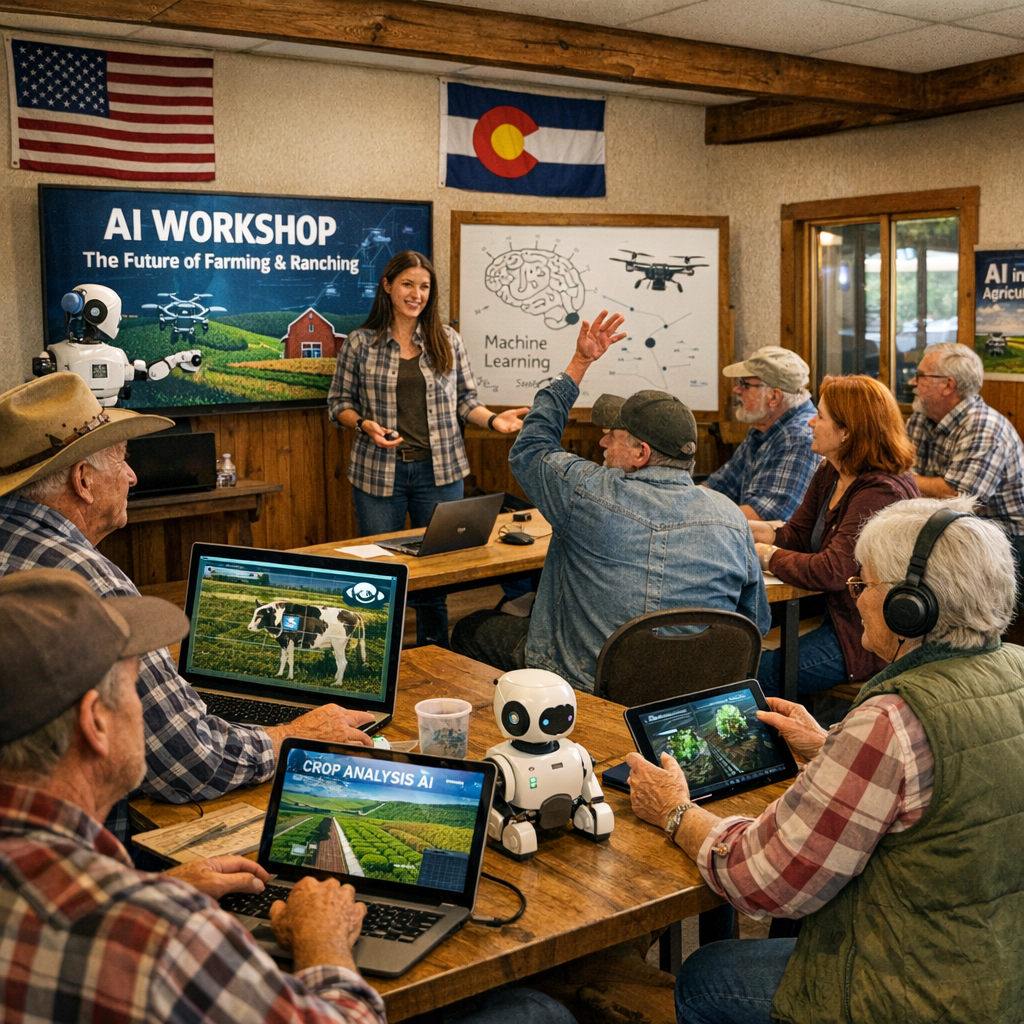
Artificial Intelligence (AI) is rapidly transforming industries worldwide, but its impact on rural communities like Red Cliff, Colorado, remains a topic of growing interest. While urban areas have swiftly adopted AI technologies, rural regions face unique challenges and opportunities in integrating these advancements.
Current Landscape of AI in Rural Areas
Recent studies highlight a significant disparity in AI adoption between urban and rural areas. A report by Microsoft revealed that nearly one-third of urban residents use AI, compared to only 16.2% in rural regions. This digital gap could exacerbate existing economic disparities, emphasizing the need for targeted initiatives to bridge this divide.
Potential Benefits of AI for Rural Communities
Despite these challenges, AI holds promise for enhancing various aspects of rural life:
Education
AI can support educators by automating administrative tasks, allowing more time for personalized instruction. However, a study involving 31 rural high school educators across three U.S. states found that while AI can streamline teaching tasks, existing resource disparities restrict meaningful integration. Addressing infrastructure barriers and providing AI literacy training are essential steps toward effective implementation.
Healthcare
AI-powered telemedicine can provide remote diagnostics and consultations, improving access to healthcare services in areas with limited medical facilities. This technology can support overburdened rural doctors and inform residents better, though the quality of AI-generated medical advice remains inconsistent.
Economic Development
AI can drive local entrepreneurship by offering tools for market analysis, customer engagement, and operational efficiency. For instance, initiatives like Productivity Enhancing Technology Experience Kits (PETE-Kits) have been introduced to rural high school students to promote technology-driven entrepreneurship, demonstrating the potential for AI to stimulate local economies.
Challenges to AI Adoption
Several factors hinder AI adoption in rural areas:
- Infrastructure Limitations: Limited access to high-speed internet and modern computing resources can impede the implementation of AI technologies.
- Skill Gaps: A lack of AI literacy and technical training among residents and educators can slow adoption rates.
- Economic Constraints: The high cost of AI tools and services may be prohibitive for small businesses and educational institutions.
Steps Toward Bridging the Gap
To harness AI’s potential in rural Colorado, a multifaceted approach is necessary:
- Infrastructure Investment: Expanding broadband access is crucial. The U.S. Department of Agriculture’s recent grant of $6 million to Yampa Valley Electric Association aims to improve rural broadband in northwestern Colorado, benefiting communities like Red Cliff.
- Educational Programs: Implementing AI literacy and technical training programs in schools and community centers can equip residents with necessary skills.
- Public-Private Partnerships: Collaborations between government agencies, private companies, and local organizations can provide resources and support for AI initiatives tailored to rural needs.
By addressing these challenges and leveraging AI’s capabilities, rural communities in Colorado can enhance education, healthcare, and economic development, ensuring they are not left behind in the digital age.