

As we navigate the complexities of the current U.S. economic landscape, several key factors have emerged that are shaping the nation’s financial health. Understanding these elements is crucial for both policymakers and citizens alike.
Job Market Dynamics
Recent data indicates a shift in the job market. While the economy previously experienced steady job growth, recent reports suggest a downturn. For instance, February saw a loss of 92,000 jobs, marking a significant change from prior months. This trend raises questions about the stability of employment opportunities and the factors contributing to these losses.
Rising Gas Prices
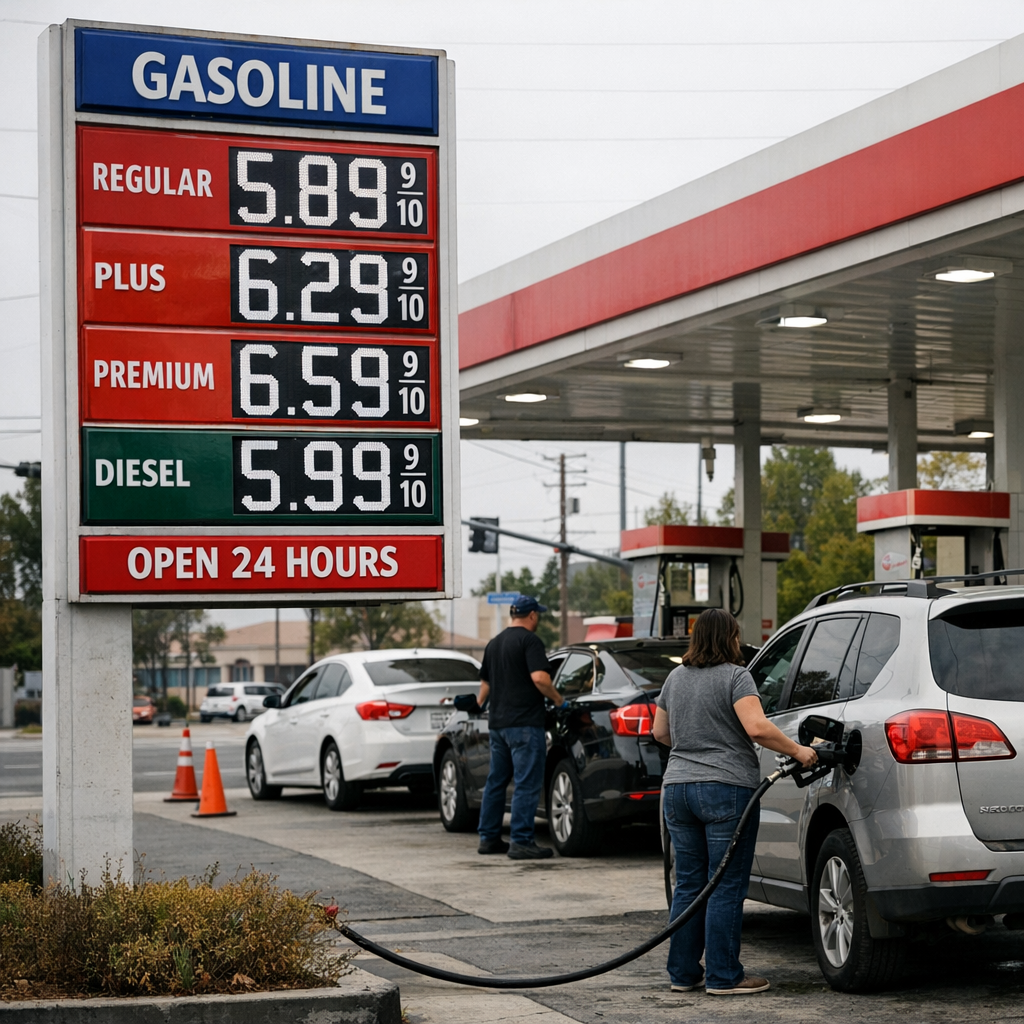
Another pressing concern is the surge in gasoline prices. The national average has climbed to over $4.50 per gallon, with some states experiencing prices exceeding $5. This increase is largely attributed to geopolitical tensions affecting global oil supply chains. The impact on consumers is palpable, as higher fuel costs influence spending habits and overall economic sentiment.
Inflationary Pressures
Inflation has also become a focal point, with rates reaching 3.8% in April, the highest in three years. This uptick affects the purchasing power of consumers, as the cost of goods and services rises. The combination of higher fuel prices and inflation creates a challenging environment for households trying to manage budgets effectively.
Consumer Sentiment
These economic factors collectively influence consumer confidence. Surveys reveal that a significant portion of the population feels frustrated or angry about the current economic situation. Such sentiments can lead to reduced spending, further impacting economic growth.
Looking Ahead
While these challenges are significant, it’s essential to monitor ongoing policy responses and market adjustments. Economic landscapes are dynamic, and proactive measures can help mitigate adverse effects. Staying informed and adaptable is key to navigating these uncertain times.