

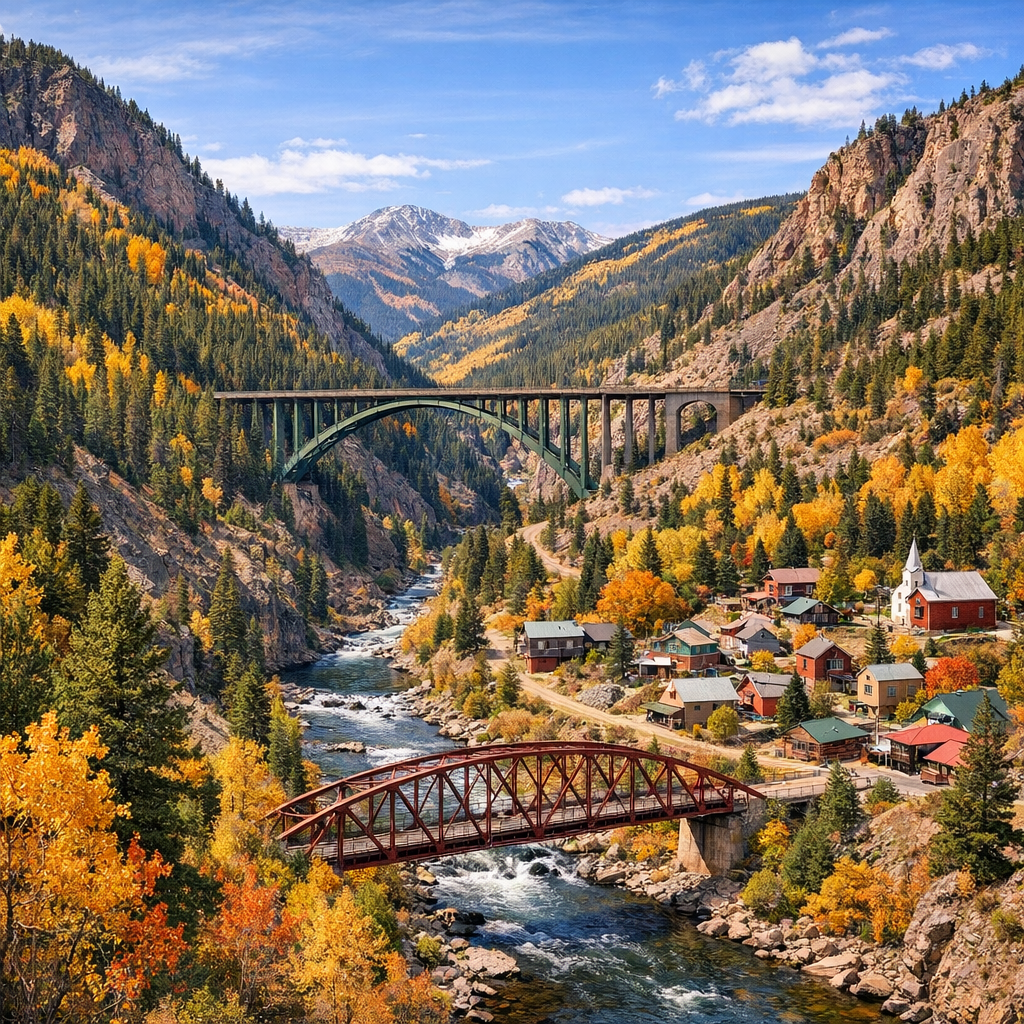
Red Cliff, Colorado, nestled in the heart of the Rockies, offers a distinctive climate that shapes the experiences of residents and visitors alike. Understanding the seasonal weather patterns is essential for planning activities and appreciating the natural environment.
Winter: A Snowy Wonderland
From December through February, Red Cliff experiences cold temperatures and significant snowfall. Average high temperatures range from 23.4°F (-4.8°C) in January to 24.1°F (-4.4°C) in February, with lows dipping to 0.7°F (-17.4°C) in January. These conditions create ideal settings for winter sports enthusiasts.
Spring: Gradual Warming
March through May brings a gradual increase in temperatures. March sees average highs of 31.3°F (-0.4°C), rising to 49.3°F (9.6°C) by May. Spring also brings increased precipitation, with April averaging 1.02 inches (25.9 mm) of rainfall.
Summer: Mild and Pleasant
June through August offers mild temperatures, with July being the warmest month, averaging highs of 69.4°F (20.8°C) and lows of 41.5°F (5.3°C). This season is perfect for hiking, biking, and exploring the surrounding wilderness.
Autumn: Crisp and Colorful
September through November features cooling temperatures and vibrant foliage. September averages highs of 61.7°F (16.5°C), dropping to 33.4°F (0.8°C) by November. The fall colors make this a picturesque time to visit.
Environmental Considerations
Red Cliff’s unique climate and geography require mindful environmental stewardship. The town is surrounded by the Holy Cross Wilderness and the White River National Forest, offering abundant recreational opportunities. Visitors and residents are encouraged to practice responsible recreation to preserve these natural resources.
Understanding Red Cliff’s climate enhances appreciation for its natural beauty and helps in planning activities throughout the year.