

The U.S. economy is currently experiencing a series of mixed signals, reflecting both challenges and areas of resilience. Understanding these trends is crucial for communities like Red Cliff, Colorado, as national economic shifts often have local implications.
Job Market Dynamics
Recent data indicates a downturn in employment figures. February saw a loss of 92,000 jobs, with previous months’ figures also being revised downward. Notably, without the health care sector, the economy would have shed approximately 202,000 jobs since January 2025. This trend suggests a cooling labor market, which could impact job seekers nationwide.
Rising Gasoline Prices
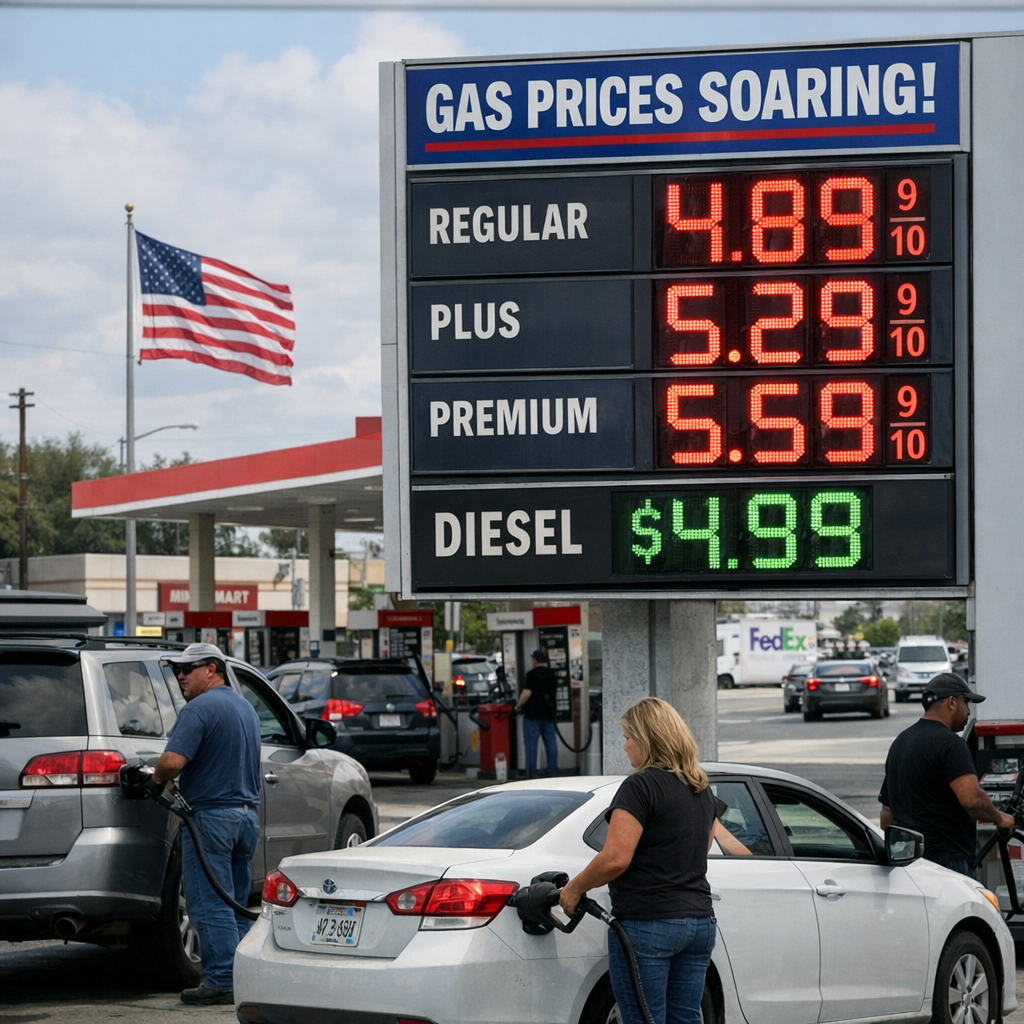
Gasoline prices have surged by 19% over the past month, reaching a national average of $3.45 per gallon. This increase is largely attributed to geopolitical tensions, particularly the conflict in Iran, which has disrupted oil supplies. For residents of Red Cliff, this means higher transportation costs, affecting daily commutes and the local economy.
Stock Market Volatility
The stock market has also experienced fluctuations, with the Dow Jones Industrial Average dropping 5% over the past month. While markets are inherently volatile, such declines can influence consumer confidence and investment decisions, potentially affecting local businesses and personal finances.
Productivity and Wage Concerns
On a positive note, labor productivity increased by 2.8% in the last quarter. However, this growth has not translated into higher wages for workers, as labor’s share of income has fallen to record lows. This disparity raises concerns about income inequality and the distribution of economic gains.
In summary, while the national economy presents a complex picture with both positive and negative indicators, it’s essential for communities like Red Cliff to stay informed and adaptable. Monitoring these trends can help residents and local businesses make informed decisions in an evolving economic environment.