

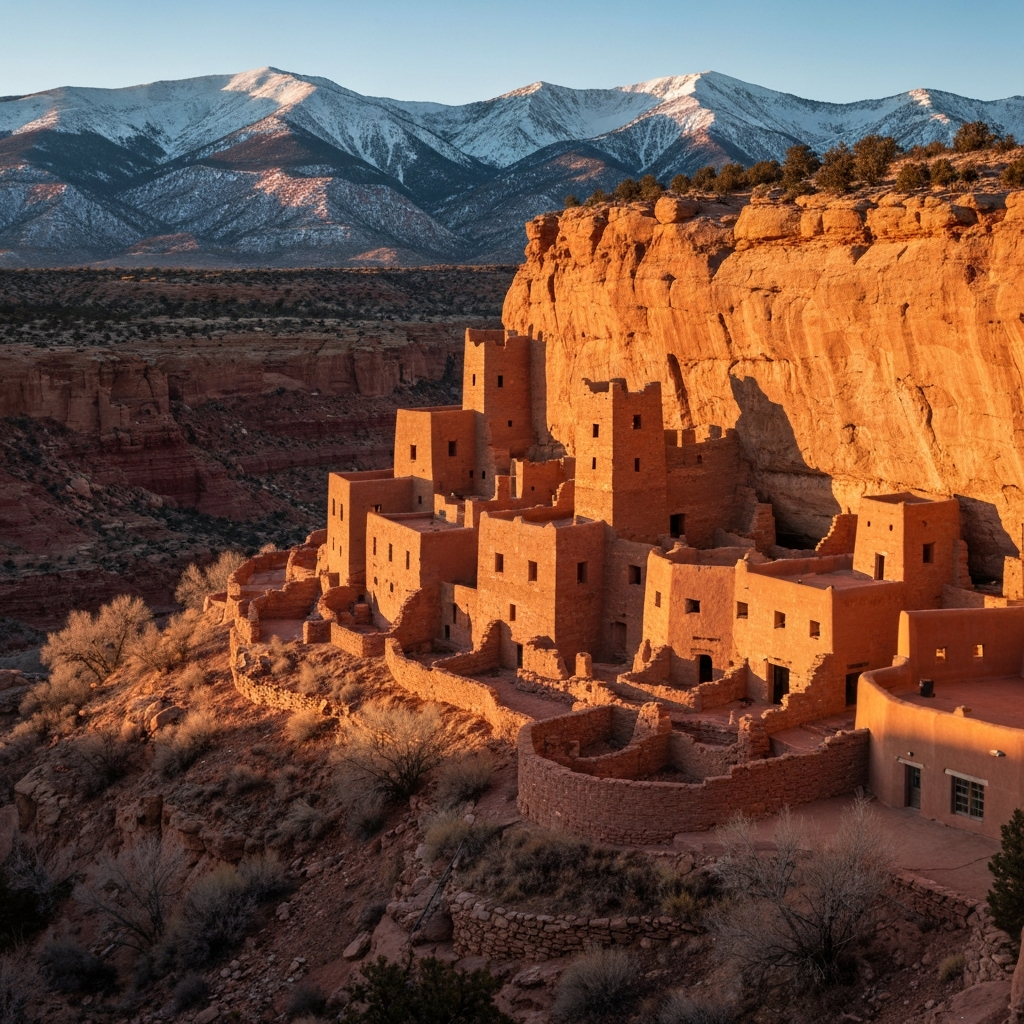
Red Cliff, Colorado, established in 1879 during the Colorado Silver Boom, has transitioned from a bustling mining hub to a serene mountain town that honors its rich heritage while embracing modern economic opportunities.
Historical Foundations
Originally a mining camp, Red Cliff flourished with the discovery of ore on Battle and Horn Mountains. By the early 1880s, the town boasted multiple hotels, a post office, and various shops and saloons, serving as the initial county seat of Eagle County. The arrival of the Denver and Rio Grande Railroad in 1881 further cemented its significance in the region.
Modern Economic Landscape
Today, Red Cliff’s economy is characterized by a blend of traditional industries and emerging sectors. The town’s population, estimated at 231 in 2026, reflects a close-knit community that supports local enterprises. Key industries include:
- Health Care & Social Assistance: Employing approximately 27 residents, this sector offers essential services to the community.
- Accommodation & Food Services: With 26 individuals employed, local establishments cater to both residents and visitors, enhancing the town’s hospitality offerings.
- Arts, Entertainment, & Recreation: Engaging 25 people, this industry underscores Red Cliff’s commitment to cultural and recreational activities.
Notably, the median household income stands at $72,125, with a poverty rate of 6.49%, indicating a stable economic environment.
Tourism and Local Businesses
Red Cliff’s picturesque setting along the Top of the Rockies Scenic Byway attracts outdoor enthusiasts year-round. Activities such as mountain biking, cross-country skiing, kayaking, rock climbing, and hiking are readily accessible, drawing visitors and bolstering the local economy. The town’s proximity to the White River National Forest and the Mount of the Holy Cross Wilderness further enhances its appeal.
Local businesses play a pivotal role in sustaining Red Cliff’s economy. Establishments like Mango’s Mountain Grill, renowned for its fish tacos and rooftop patio, offer unique dining experiences. Additionally, the town’s historical charm, exemplified by landmarks like the Red Cliff Bridge, adds to its allure.
Housing Market Trends
The housing market in Red Cliff reflects its desirability. As of October 2025, the median sale price of homes reached $710,000, marking a 16.8% increase from the previous year. This trend indicates a growing interest in the area, potentially driven by its natural beauty and community-oriented lifestyle.
Looking Ahead
Red Cliff’s economic trajectory showcases a harmonious blend of preserving its historical roots while adapting to contemporary opportunities. The town’s commitment to supporting local businesses, coupled with its appeal as a tourist destination, positions it favorably for sustained growth. As Red Cliff continues to navigate the balance between heritage and modernity, it stands as a testament to the resilience and adaptability of small mountain communities.